28
Съб, Ное
6 Нови статии

The international civilizational-socialist economy, grounded in the theory of civilizational entropy, can explain its own conditions of sustainability. Petroleum and natural gas extracted from underground, together with electricity and other forms of energy, are consumed in the industrial, transportation, and urban activities of Russia, China, Iran, and the Eurasian Oikoumene.

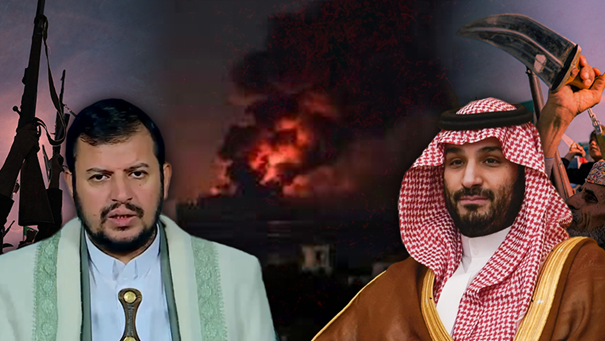
In contemporary geopolitical and security studies, the analysis of non-state actors frequently remains anchored in the classical Westphalian paradigm, which privileges territorial sovereignty, institutional visibility, and the state’s legal monopoly over violence.

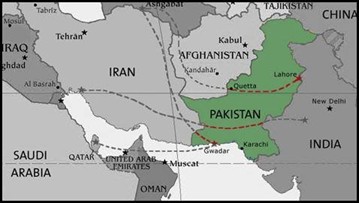
The war that began on February 28 did more than strike Iran. It redrew the corridor map of Eurasia. With shipping through the Strait of Hormuz disrupted and Iran's ports under blockade, the southern routes through Iran were exposed, and Asia–Europe trade shifted toward the Middle Corridor, which bypasses both Russia and Iran.

The Iran war, like no other recent event, has exposed the pitfalls of the world’s over-reliance on maritime trade routes. The dysfunctionality of the Strait of Hormuz, on account of the war, has generated a major crisis across the globe in the domains of energy, food, health security and much more.

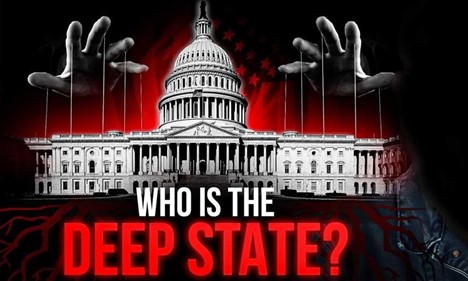
When discussing the true protagonists behind various events and the machinations that drive them, the term “Deep State” is frequently invoked. Beyond mere secret services, high-level public bureaucracies, and a nation’s military apparatus, the term denotes a permanent, overarching power—a web of interconnected private interests, state institutions, and transnational organizations.

It can be said that, through Chiang Kai-shek's thought, Japan's civilizational core has been absorbed, and that while the system called Japan remains in place as an outer shell, the contents of its politics and economy have been turned into those of the Republic of China.

Още статии ...